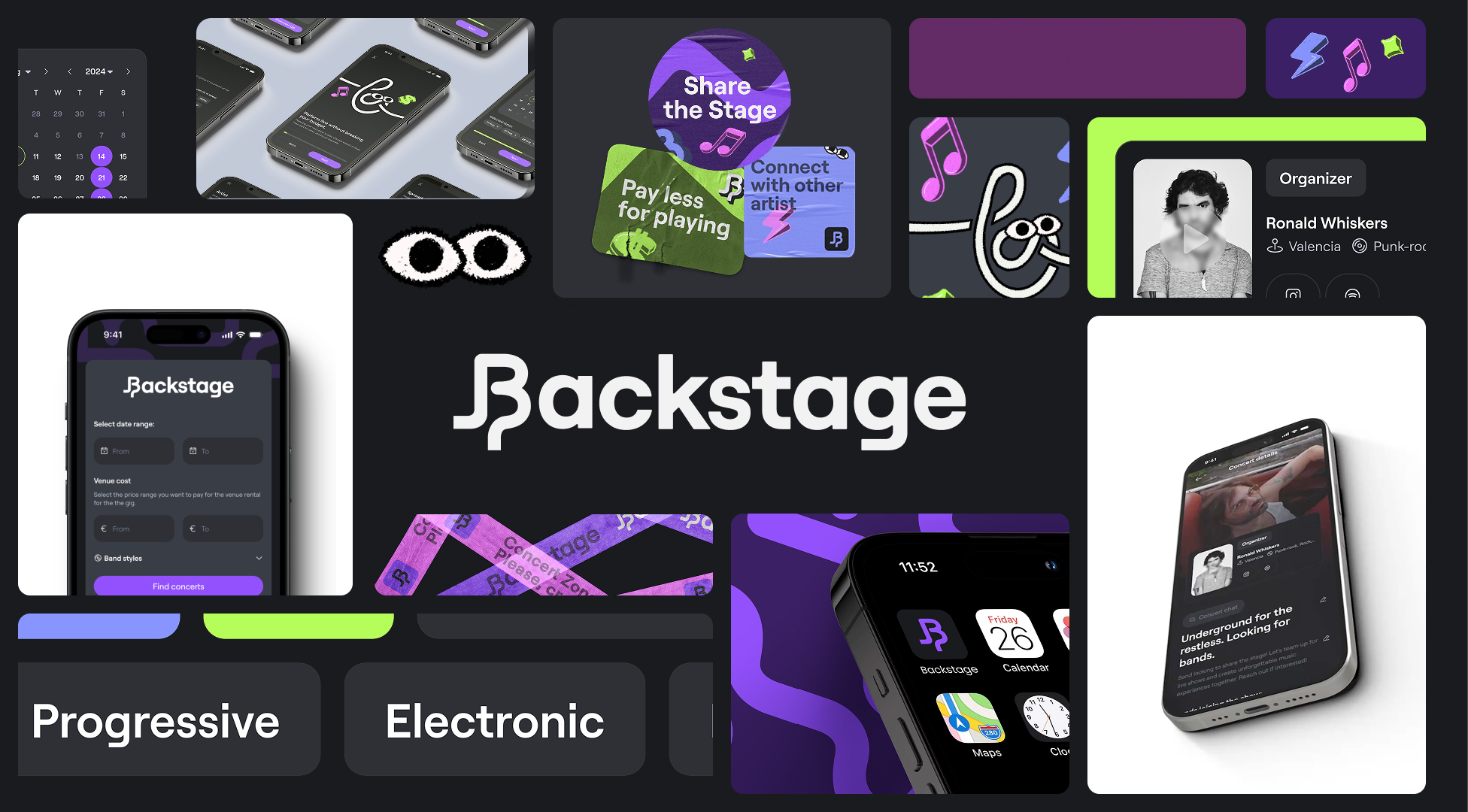
Backstage

Designing a collaborative infrastructure for emerging live music

Helping emerging bands to connect, share stages and reduce live performance costs

Role UX Lead
Team 4 designers
Scope Research, UX Strategy, Product Definition, UI System, Brand

Backstage is a digital platform designed to help emerging music artists connect with each other, co-organize concerts, and share venue costs — reducing the financial risk of playing live.

The project started from a clear tension within the local music ecosystem: Artists increasingly pay to play.

Backstage reframes live performance not as an individual struggle, but as a collaborative opportunity.

Context

The music industry is undergoing structural changes.

Festival culture dominates the scene, small venues are closing or reducing activity, audiences are fragmented across micro-genres and emerging artists operate without institutional or financial support.

While large-scale events thrive, the grassroots live circuit weakens.

For emerging musicians, performing live often means economic uncertainty, administrative complexity and paying upfront costs without revenue guarantees.

Live music becomes a financial risk rather than an opportunity.
Research

Qualitative Interviews

We conducted interviews with emerging artists in Valencia.

Band member 1
Band member 2
Band member 3
Band member 4
Band member 5
Band member 6

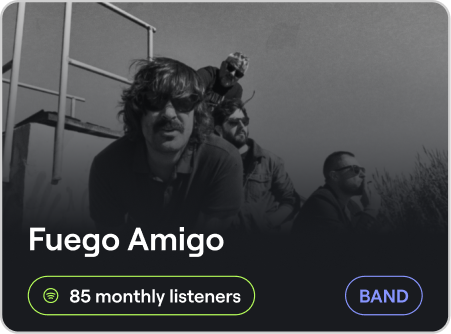
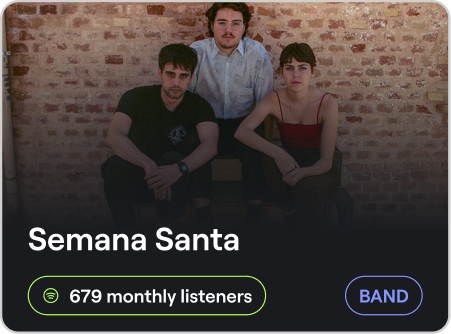
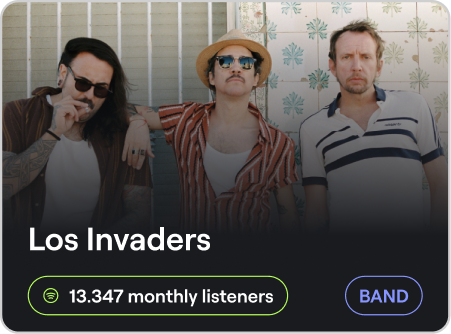
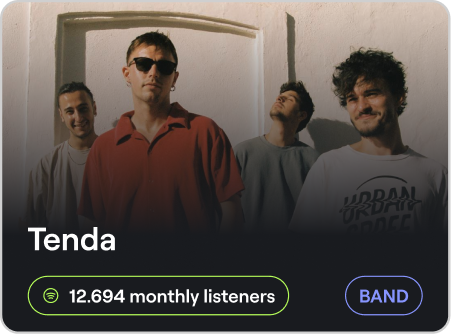
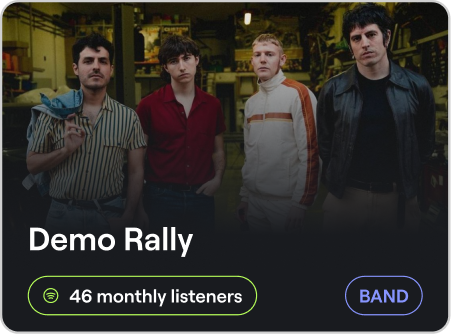
Bands with 84 to 13,000 monthly listeners. Solo artists and groups. Different genres and levels of experience.

The objective was to understand their concert organization process, pain points before, during and after gigs, and the financial and emotional barriers involved.

Problem Framing

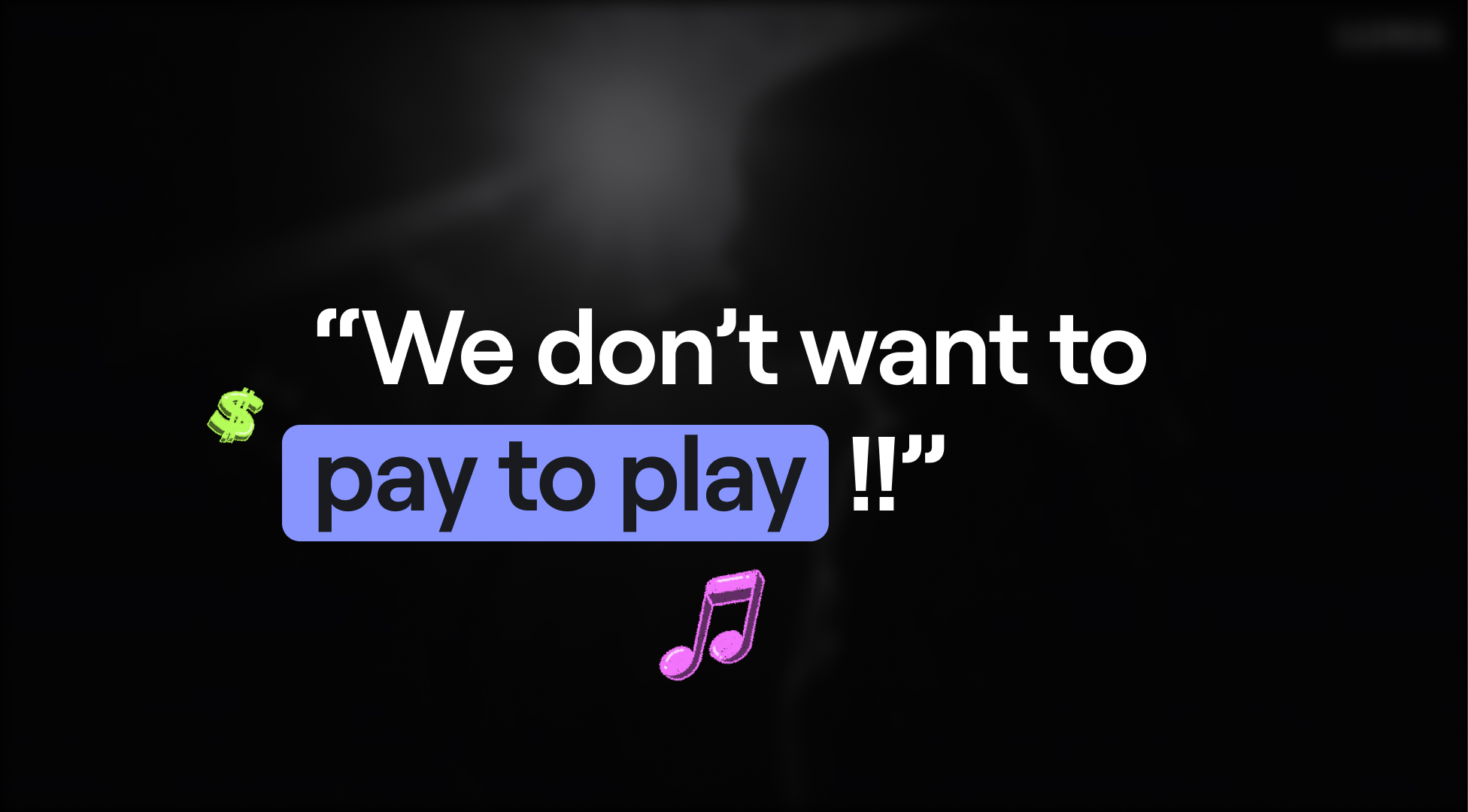
We don't want to pay to play live

Through desk research and qualitative interviews, one idea appeared consistently.

Emerging artists feel forced to assume financial risk to perform live. They struggle with finding other bands to share costs, aligning schedules and logistics, negotiating venue conditions, managing payments and assessing potential concert viability.

Organizing a concert is fragmented, manual and multi-channel.

Journey Mapping

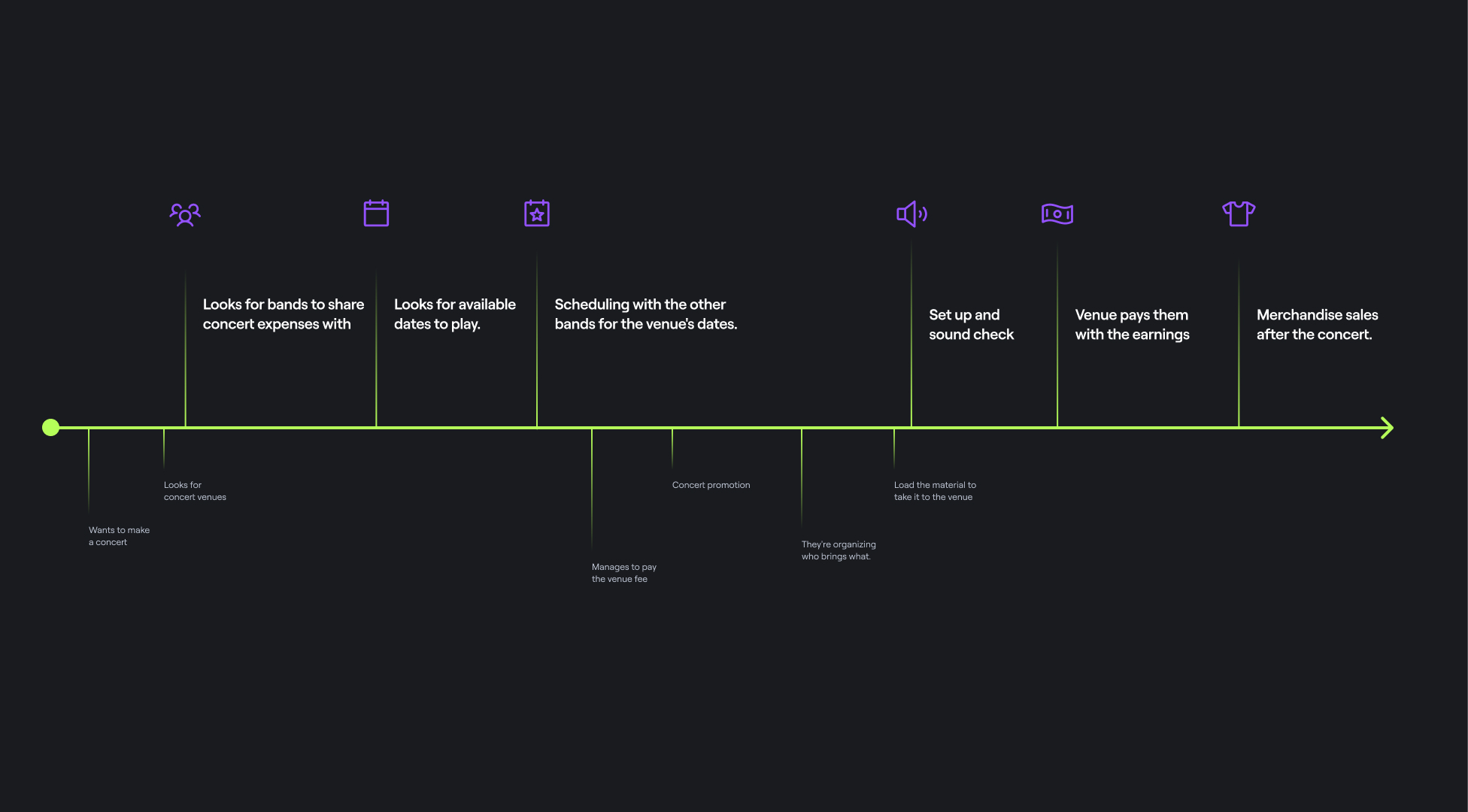
Backstage User Journey

We mapped the full journey: The highest frustration points appeared when artists had to coordinate with other bands, align dates and share venue costs without clarity or guarantees.

Opportunity Score Research

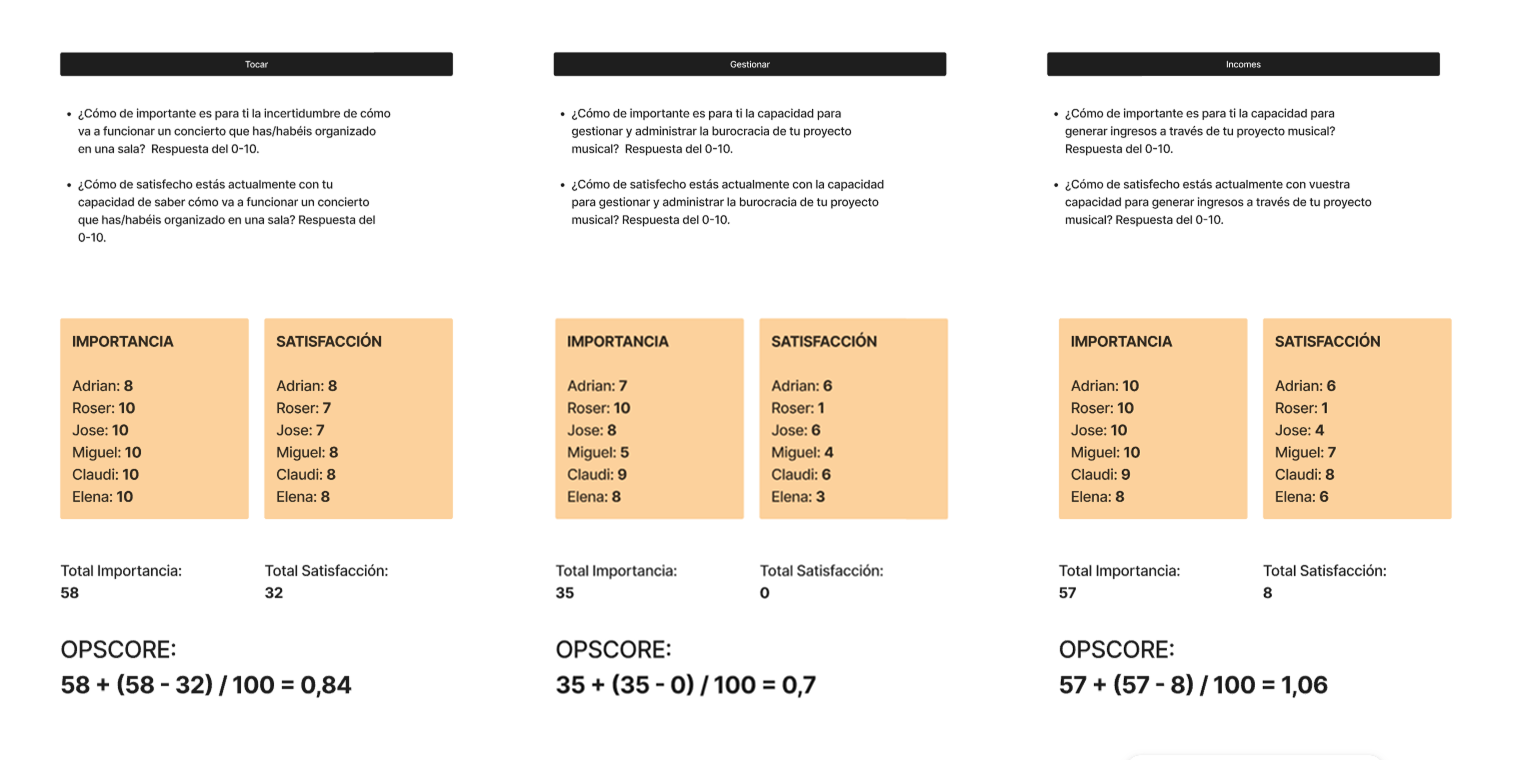
We ran a follow-up survey to measure opportunity score.

Participants confirmed that reducing the cost of live performances would increase their willingness to perform, expand their audience and improve sustainability.

The financial barrier was the strongest lever for impact.

Solution

What is Backstage?

A platform that allows artists to create shared concerts, discover existing gigs, join as co-performers and split venue costs transparently.

Instead of each band organizing in isolation, Backstage enables collective organization through a structured system.

How might we help emerging artists reduce the cost and uncertainty of organizing live concerts?

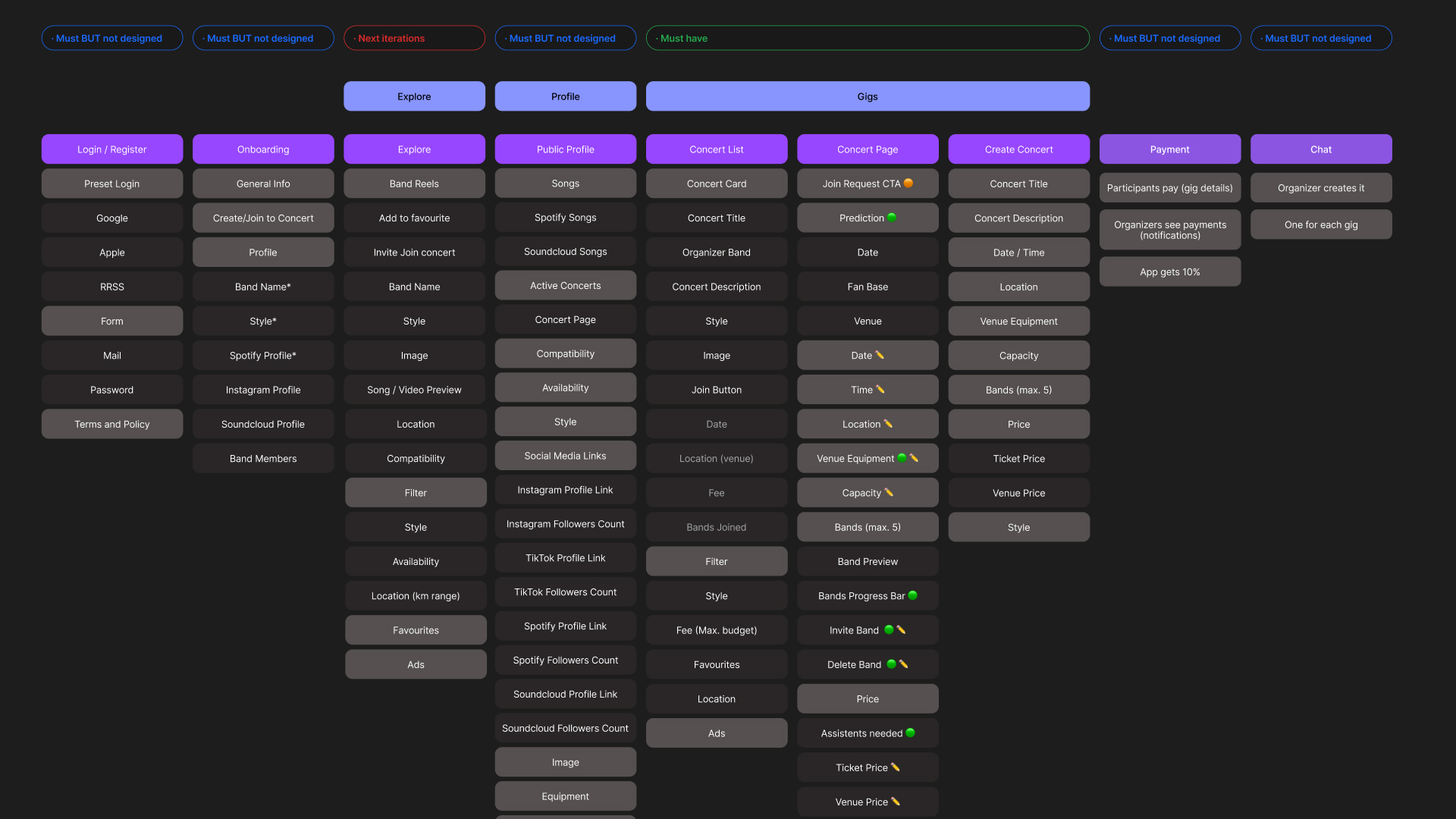
Sitemap & Architecture
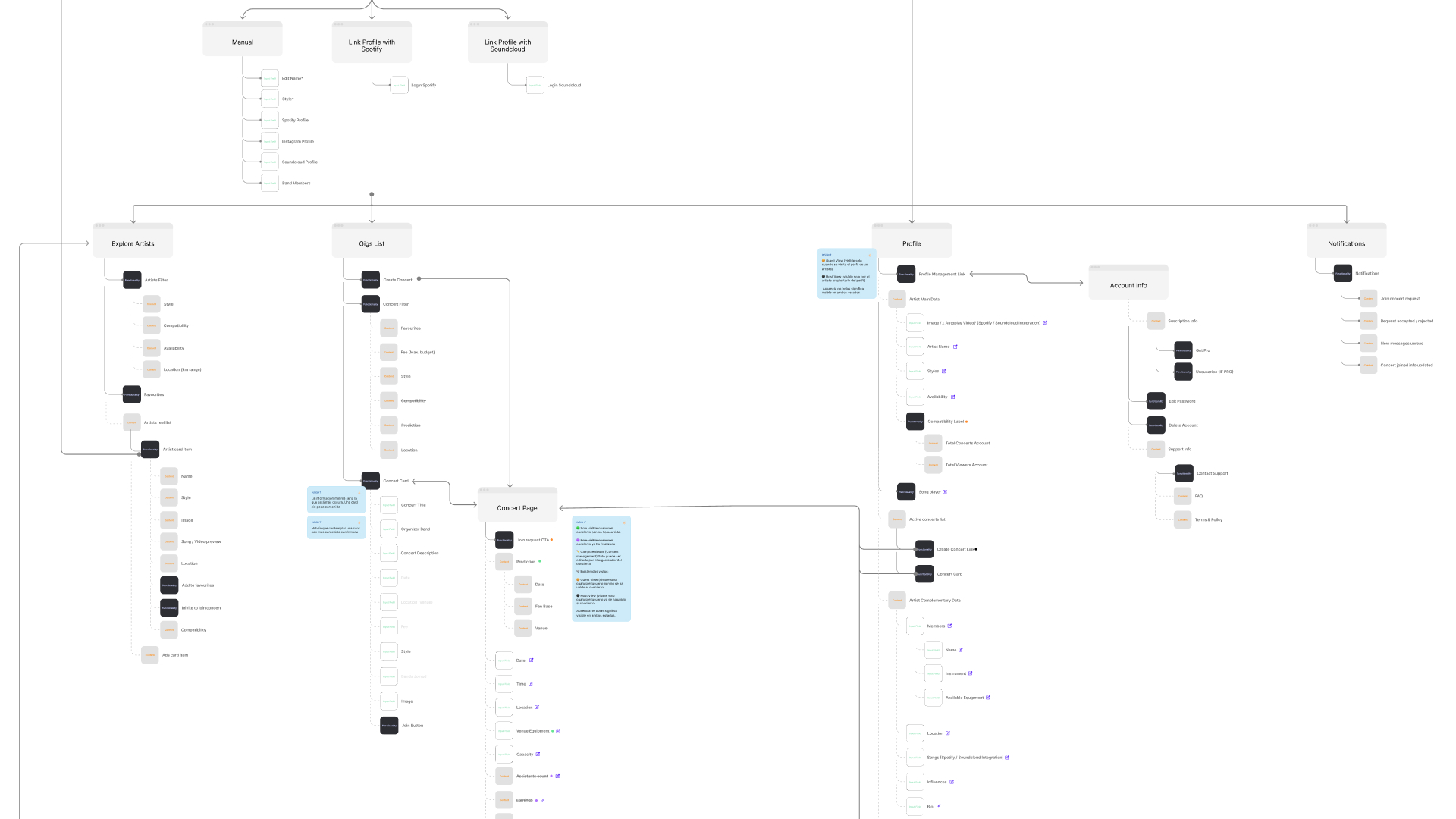
Backstage Sitemap & Architecture

The design direction was clear: reduce uncertainty, increase transparency and centralize coordination.

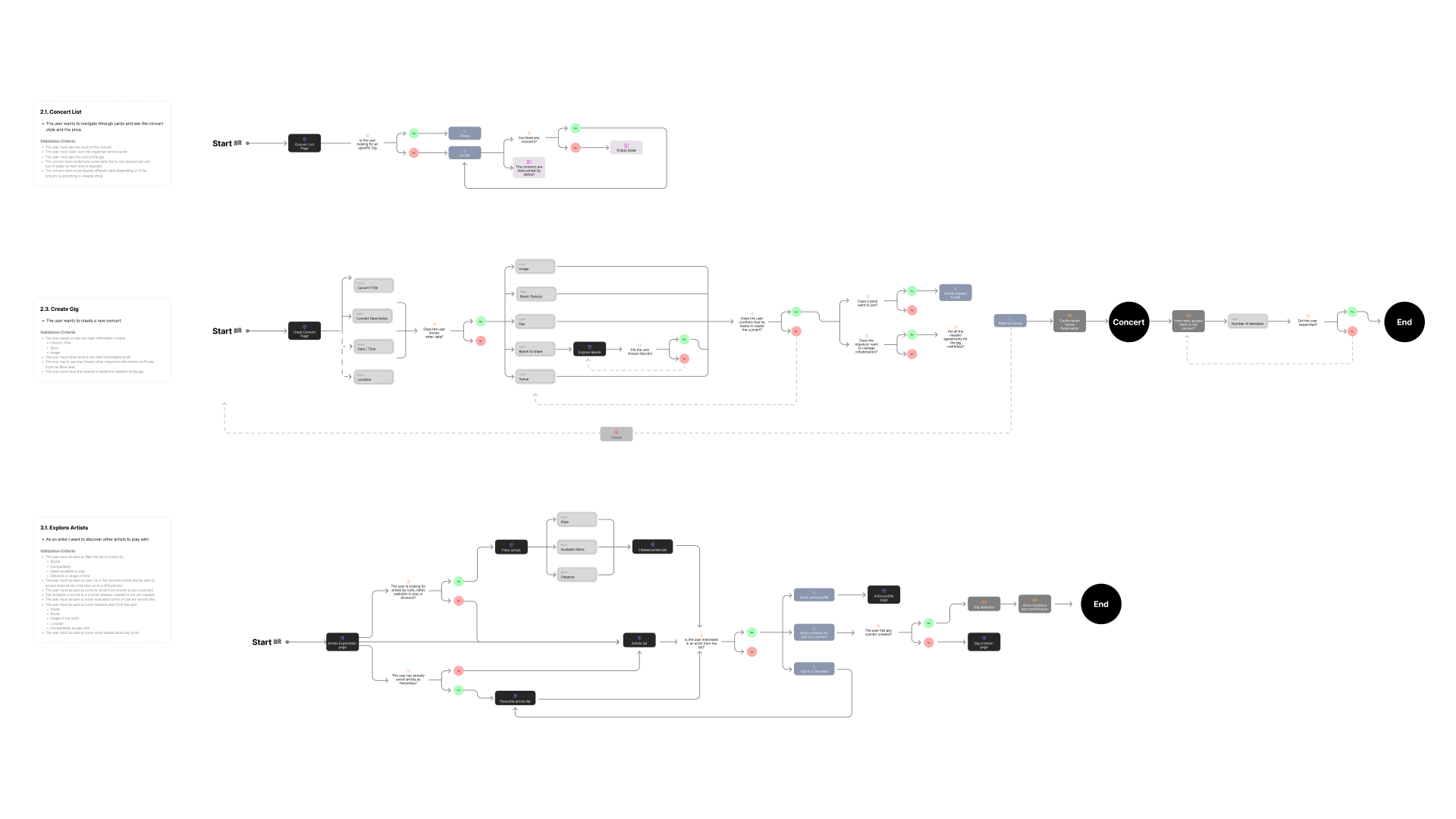
The core of the experience revolves around three fundamental flows: Concert organization, Gig discovery and Joining a concert as co-performer.

User Flows
Backstage User Flows
Lo-Fi Wireframes
Backstage Lo-Fi Wireframes
Hi-Fi Wireframes
Backstage Lo-Fi Wireframes

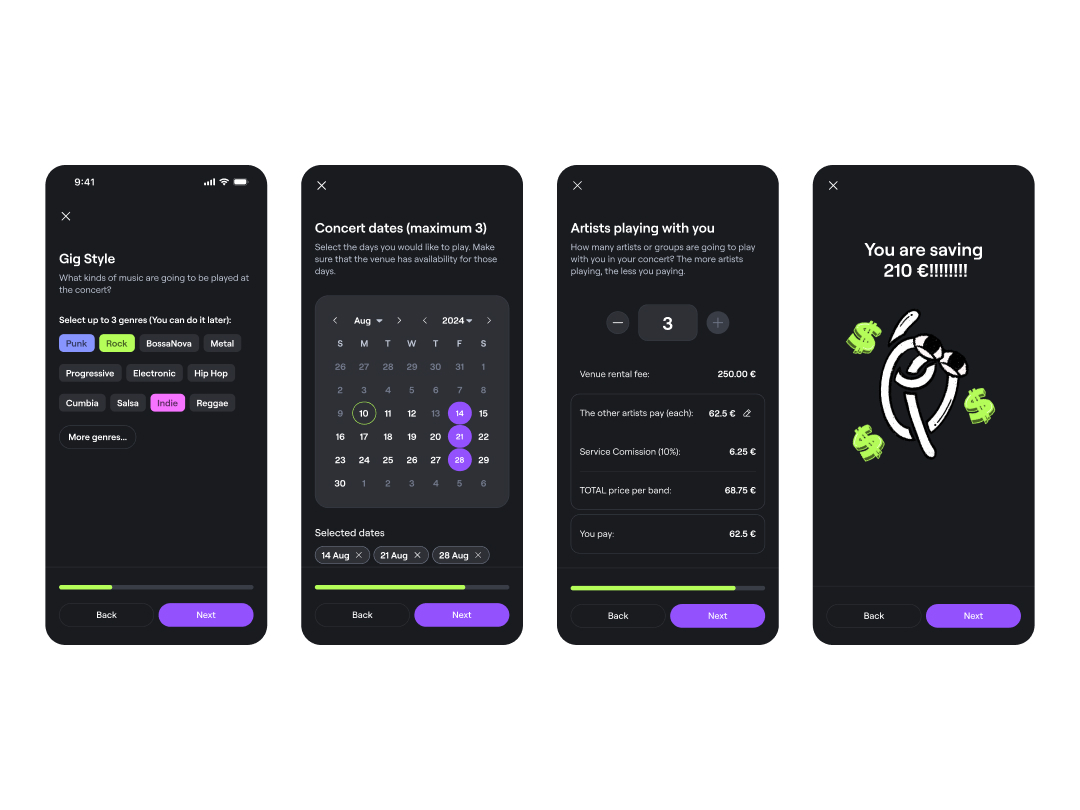
Concert creation

Artists can define venue, proposed dates, ticket price, cost distribution logic and technical details such as soundcheck time. The goal was not only to publish an event but to structure negotiation from the beginning. Instead of informal conversations, the system formalizes agreements.

Backstage Concert Creation Flow

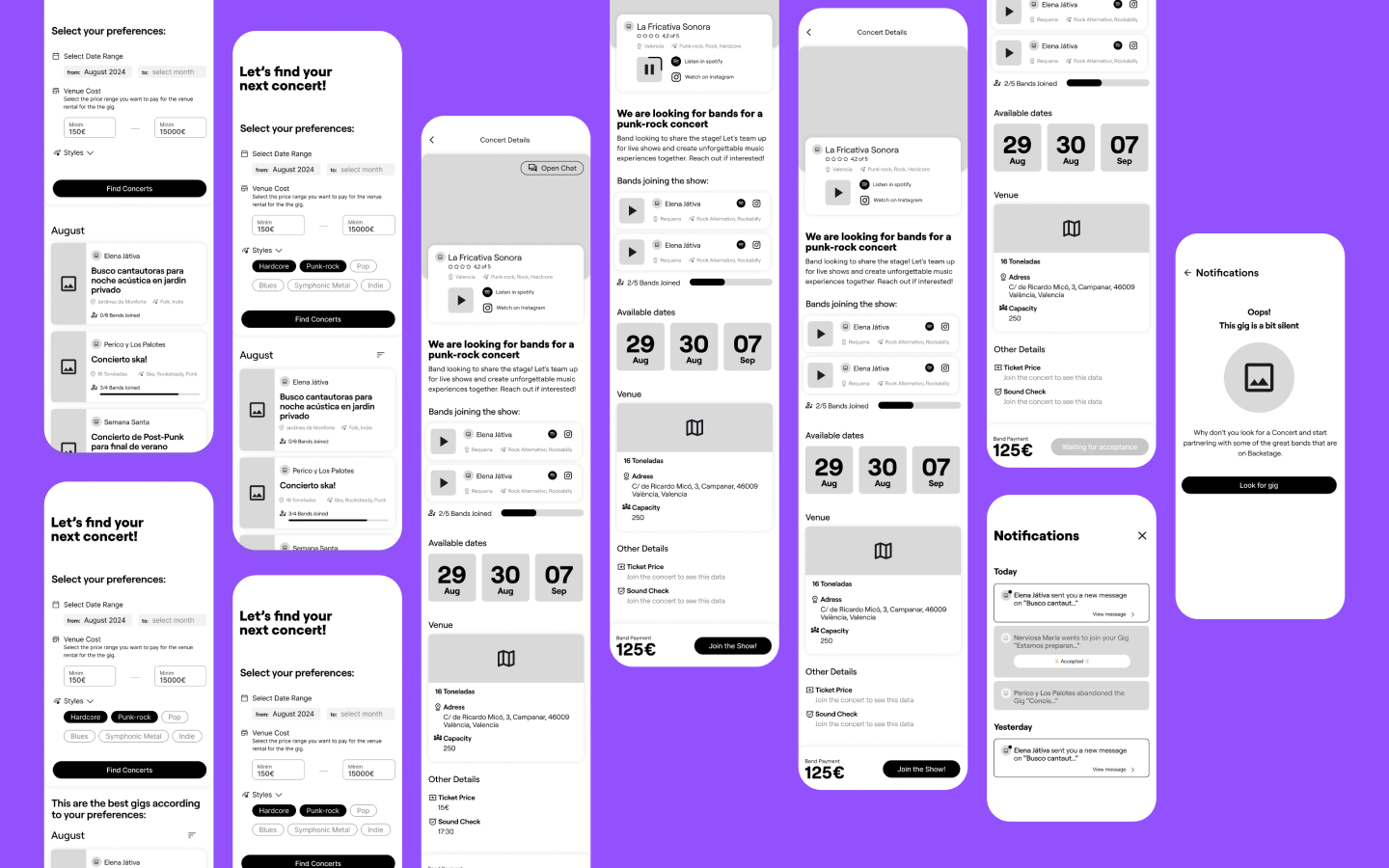
Concert discovery

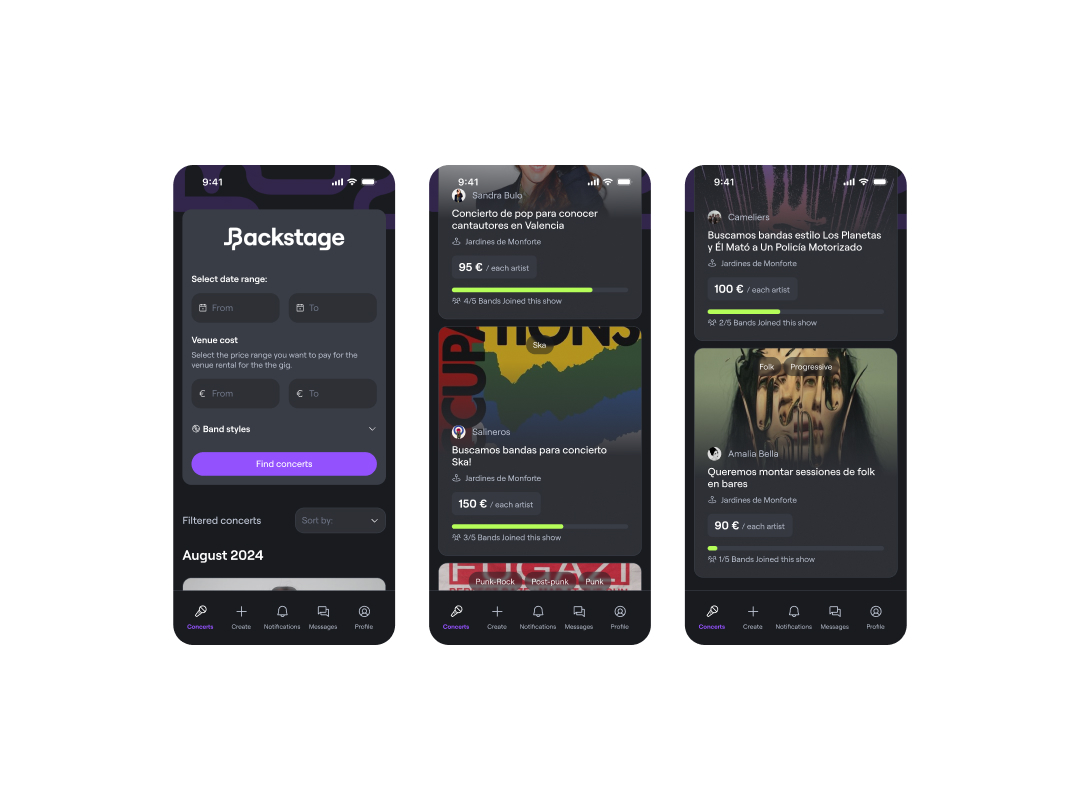
A searchable feed allows artists to filter by genre, budget range, location and availability. For emerging bands with limited networks, discoverability becomes a gateway to entering the live circuit without prior connections.

Backstage Concert Discovery Flow

Joining a concert

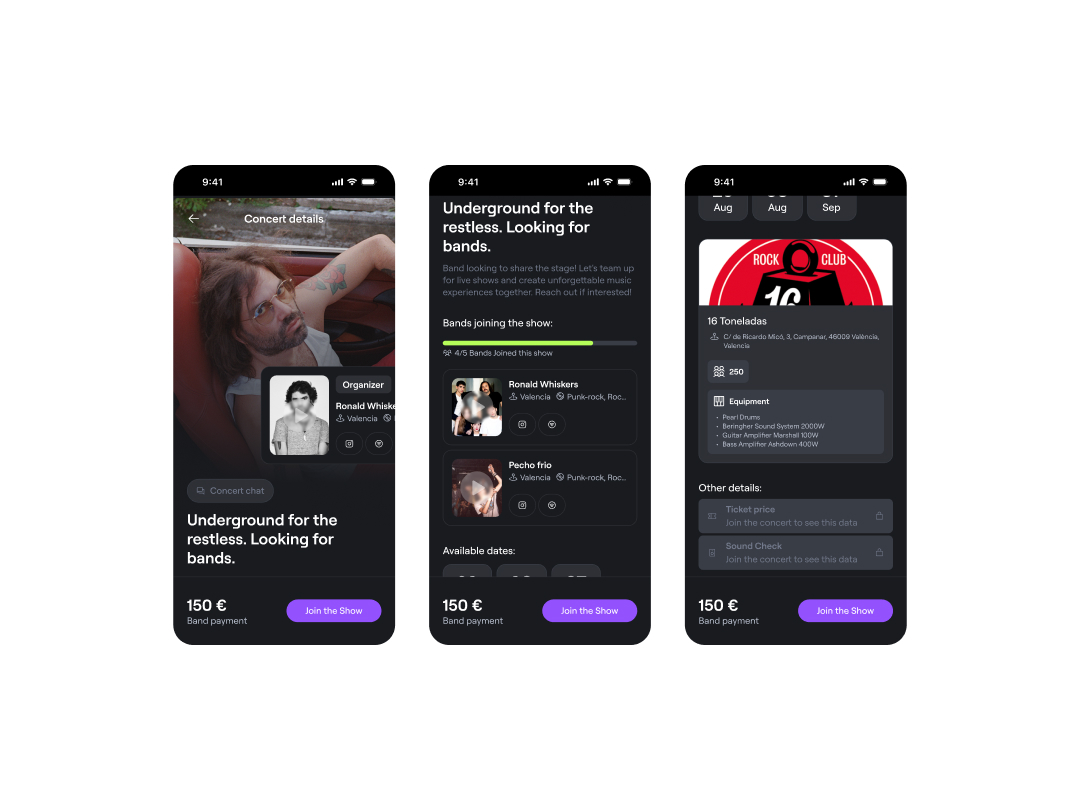
Once a band joins a concert, all relevant information is centralized: participants, financial breakdown, logistics and communication. An integrated chat supports alignment, but always linked to structured concert data to avoid ambiguity.

Backstage Joining Flow
Brand & UI System

Before defining the visual layer, we needed to define how Backstage should be perceived.

We conducted a series of workshops to define the mission, values and target audience of Backstage. The goal was to align on what the product stands for, who it serves and the role it plays within the local music ecosystem.

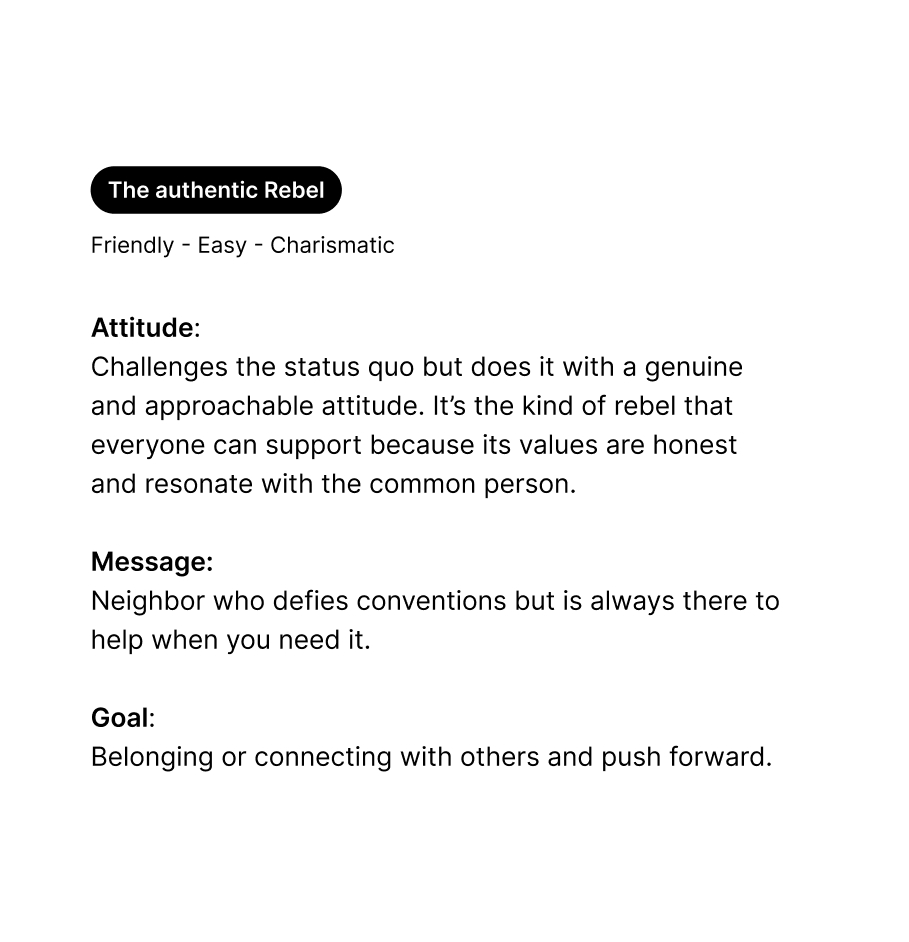
We established a set of brand principles, personality attributes and archetypes that acted as a north star for every visual design decision. We defined how Backstage should feel.

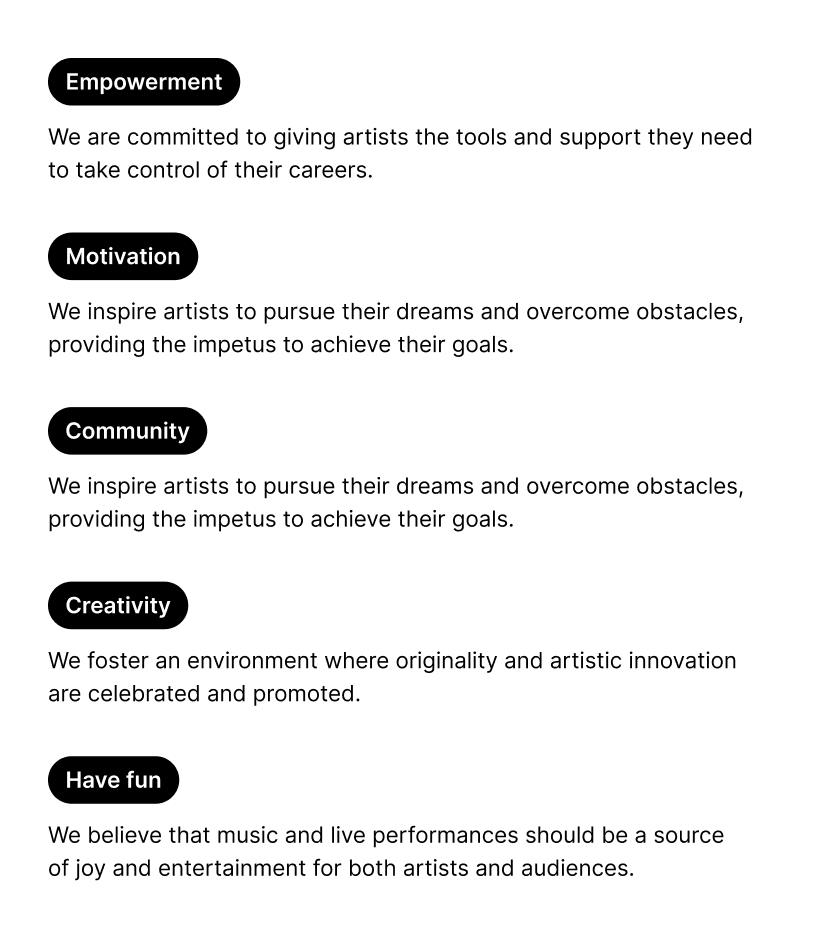
Principles
Brand Principles
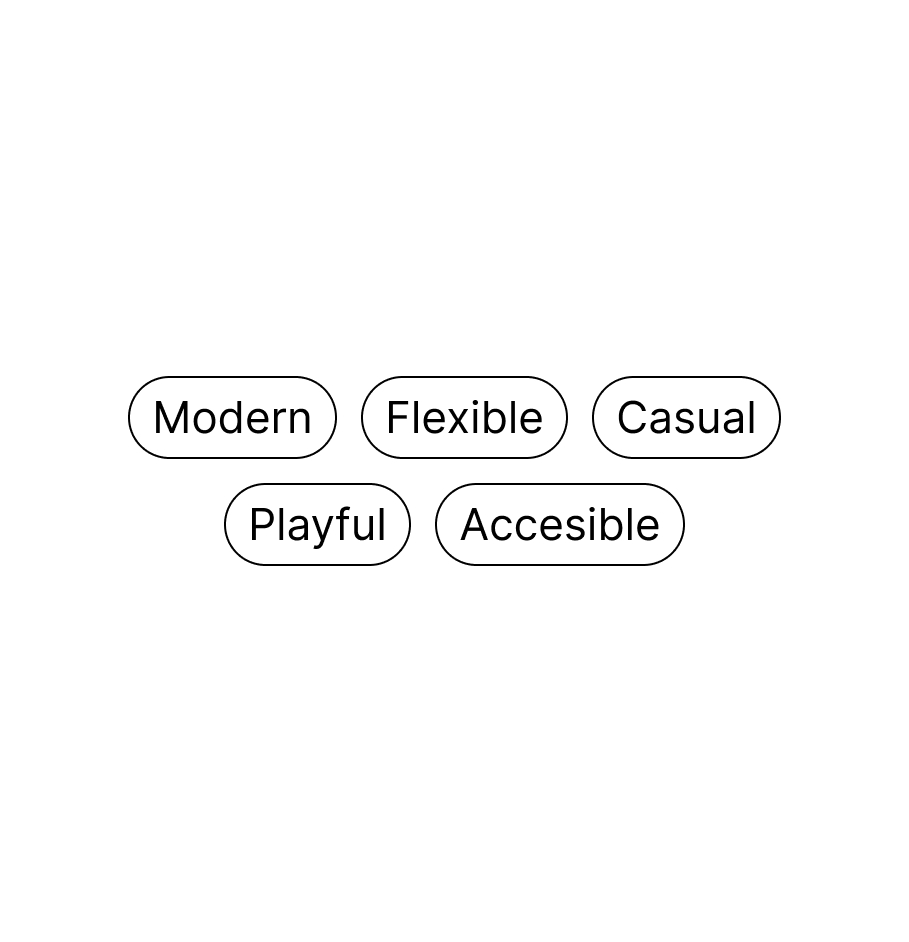
Attributes
Personality Attributes
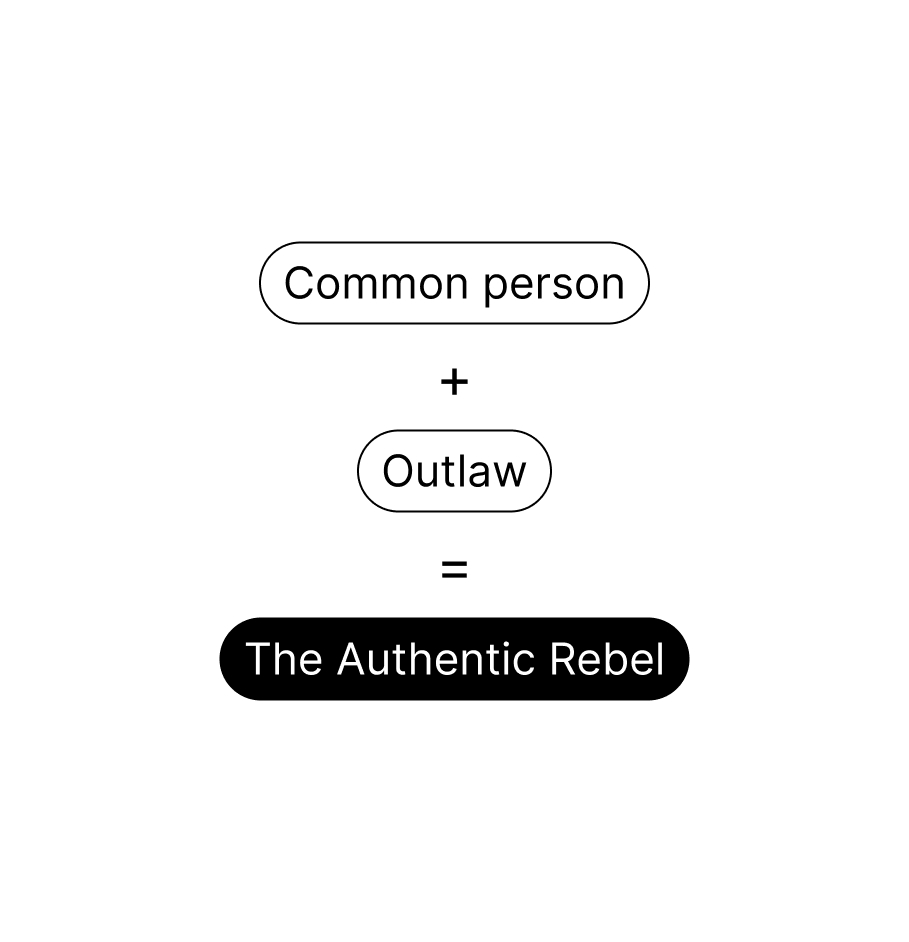
Archetype
Brand Archetype
Personality
Brand Personality
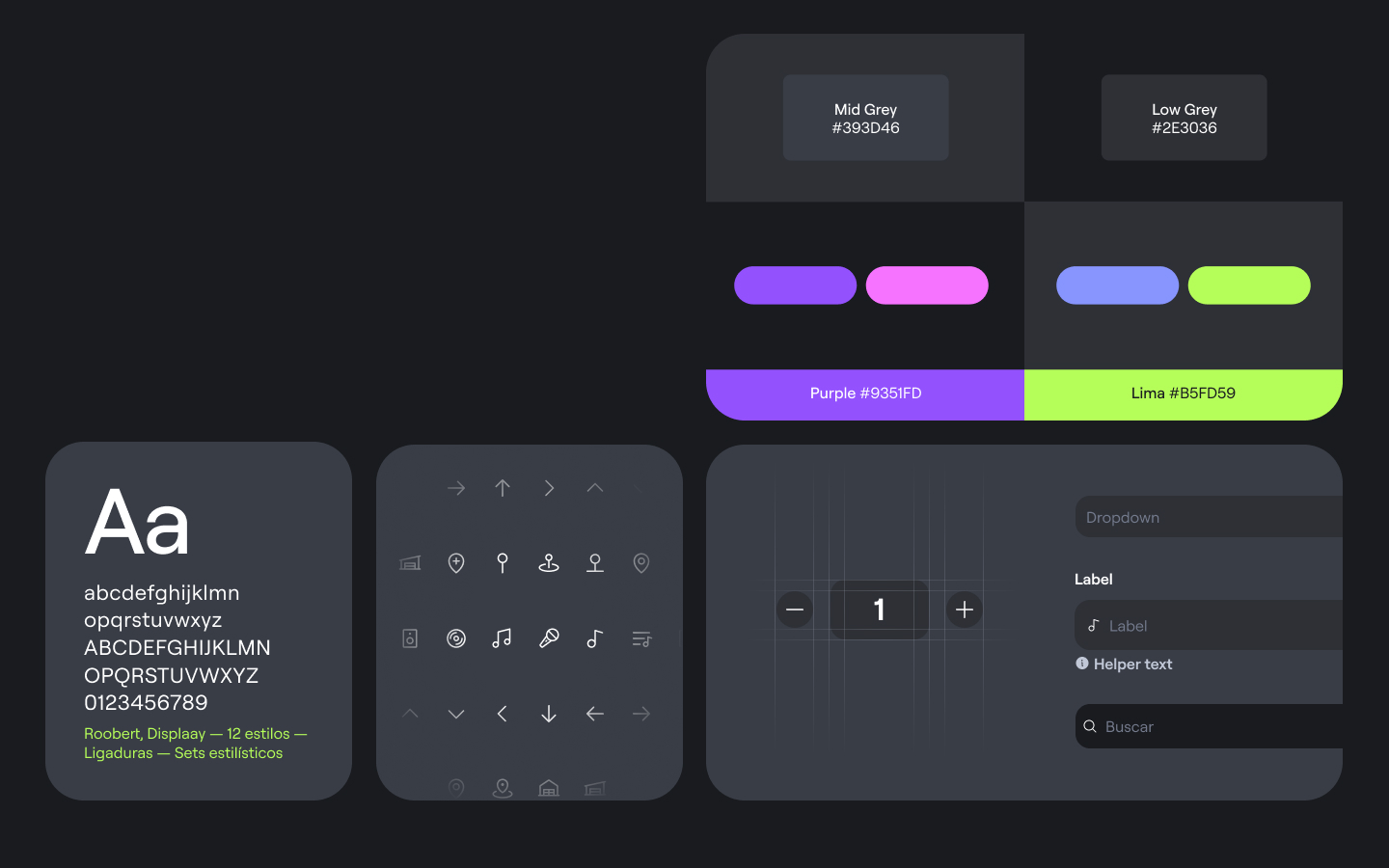
Backstage Design Tokens

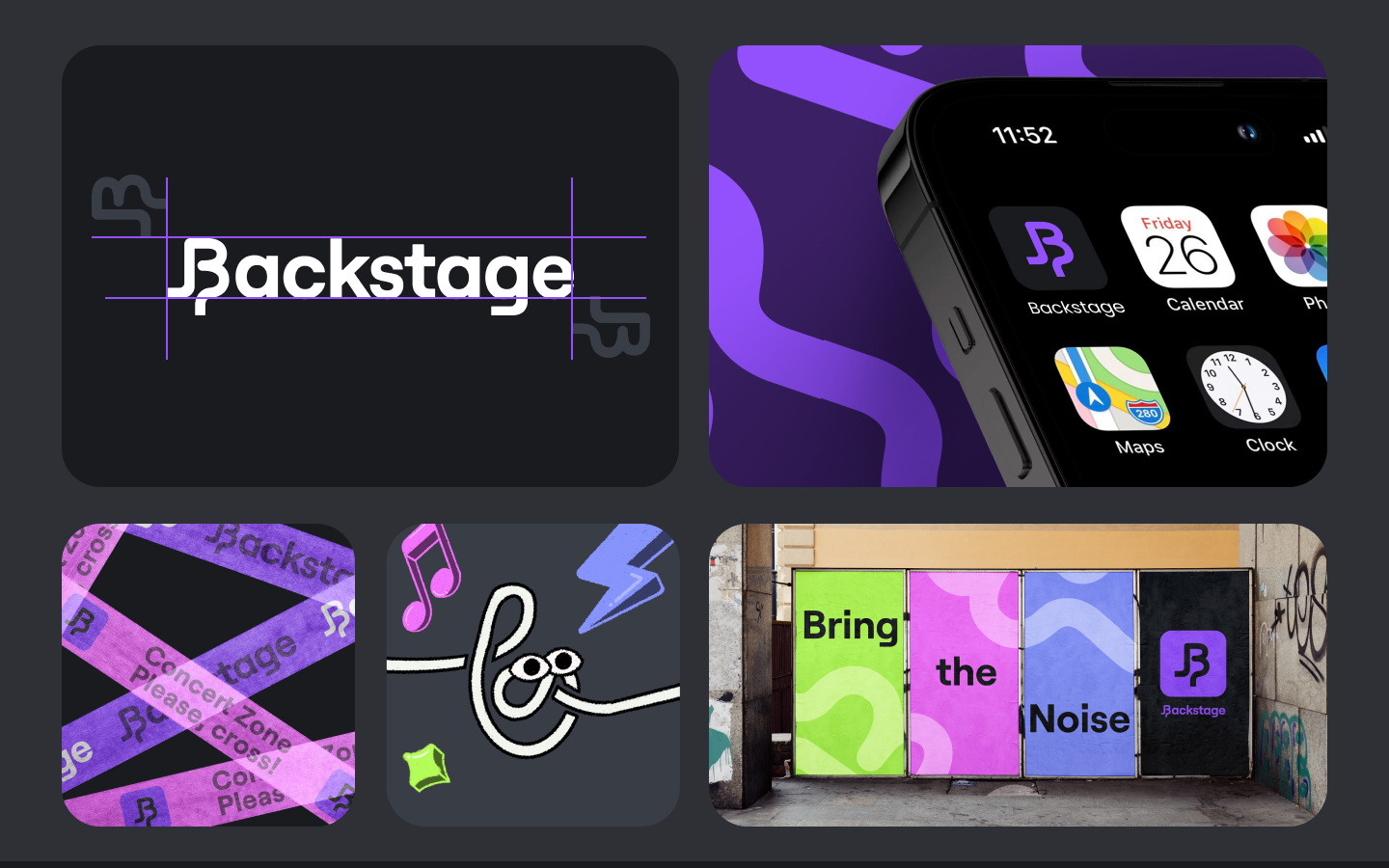
The UI was designed to visually communicate clarity and structure while staying fully aligned with the brand principles defined during the workshops.

We defined a modular layout system and a set of design tokens to establish the foundations of typography, color palette, spacing, grids and components.

The system was built to ensure visual and interaction consistency throughout the entire process and across all team members involved in the project.

Backstage Design Tokens

What's Important for Me

Redesigning Systems

Backstage reflects something that is central to my way of understanding product design.

Design is not about adding features. It is about identifying structural friction and redesigning the system that produces it.

From Insight to Strategy

In this project, the real problem was not "finding gigs". It was economic uncertainty embedded in the way live music is organized.

What matters to me is translating qualitative insight into strategic clarity. Reducing complexity without oversimplifying reality. Designing systems that align incentives instead of fighting them.

Coherent Solutions

Backstage is an example of how research, product thinking and interaction design can converge into a coherent response to a systemic problem.